Basketball Passing Fundamentals
A player spots a teammate cutting toward the basket and passes, but the ball arrives a second too late. The defender steps in, and what could have been an easy layup becomes a turnover. The problem wasn't necessarily the passing technique. It was recognizing the opportunity and delivering the ball at the right moment.
Good passing requires accuracy, timing, and an understanding of where teammates and defenders are moving. At You Reach I Teach Basketball Academy, we help developing players build these skills through basketball fundamentals training and game-based practice.
What Are the Fundamentals of Passing in Basketball?
Effective passing starts with ball control, balanced footwork, and court awareness. A good pass reaches a teammate where they can catch it comfortably and move without unnecessary adjustment.
Before releasing the ball, players should understand three things:
- Accuracy: Deliver the ball to a reachable target, away from the defender.
- Timing: Make the pass while the receiving teammate has an advantage, not after the passing lane closes.
- Decision-making: Recognize whether passing, dribbling, or holding the ball is the best option.
A technically sound pass can still be a poor decision if it sends the ball into traffic. Players need to develop both the physical skill and the ability to recognize when to use it.
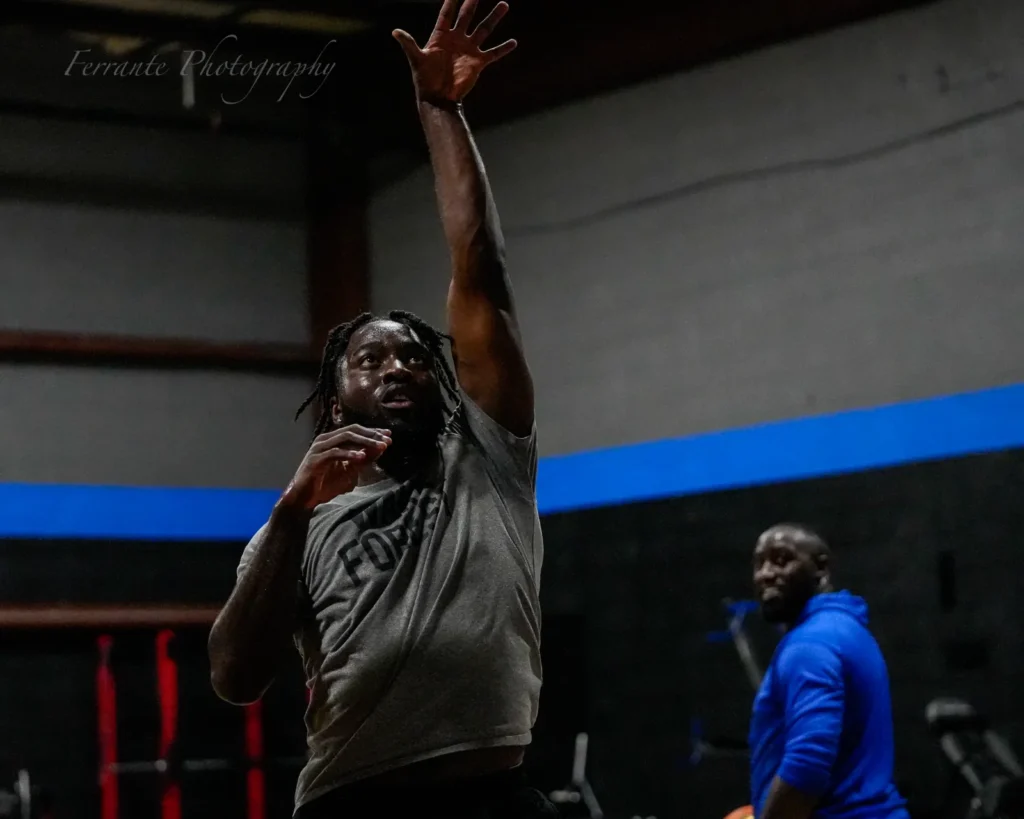
Four Types of Basketball Passes Every Player Should Learn
Different situations call for different passes. A chest pass may work when the lane is open, while a bounce pass can help deliver the ball beneath a defender's hands. Learning these techniques gives players more options when moving the ball around the court.
Chest Pass
The chest pass is one of the first techniques beginners learn because it provides a direct, controlled way to move the basketball. Hold the ball near your chest with both hands, fingers spread along the sides. Step toward your target, extend your arms, and snap your wrists so your thumbs finish pointing downward. Aim for your teammate's chest when the passing lane is clear. Use a chest pass when a teammate is within a comfortable passing distance and no defender is positioned to intercept the ball.
Bounce Pass
A bounce pass travels from the passer to the floor before reaching the receiver. It is useful when a defender has raised their hands or when passing directly through the air would risk a deflection. Start with the ball near your chest and step toward your target. Push the ball toward the floor so it rises to approximately waist height when your teammate receives it. The correct bounce point depends on the pass distance and angle. Avoid bouncing the ball too close to yourself or throwing it so softly that a defender has time to react.
Overhead Pass
An overhead pass helps move the ball over defensive pressure or advance it to a teammate farther down the court. Hold the ball with both hands above your forehead, keeping your elbows slightly bent. Step toward your target and extend your arms forward, releasing the ball with enough force to reach the receiver. Don't bring the ball far behind your head. Doing so can slow the release and expose it to defenders approaching from behind.
One-Handed Push Pass
A one-handed push pass is useful when passing off the dribble or moving the ball around a nearby defender. Control the basketball with your passing hand, step or shift into a balanced position, and extend your arm toward the target. Your wrist and fingers help direct the ball. Practice this pass with both hands. A player who can only pass confidently with their dominant hand becomes easier for defenders to anticipate.
How to Make Better Passing Decisions During a Game
Knowing how to throw a pass is only part of becoming a dependable teammate. During a game, passing lanes open and close quickly, and the best option may change as defenders move. Players who improve their court awareness start recognizing opportunities before they receive the ball.
Look Before You Catch
Check teammate and defender positions as the ball travels toward you. This lets you spot an open cutter or an available passing lane without stopping to survey the court after every catch. For example, if a defender moves toward the ball and leaves another player open near the basket, an early pass can create a scoring opportunity before the defense recovers.
Lead Moving Teammates
When a teammate cuts toward the basket, pass to the space they are moving into rather than directly to where they are standing. A pass delivered behind a cutter can force them to stop, turn, or reach backward. That delay gives the defender time to recover. Practice adjusting the speed and placement of the pass to match your teammate's movement.
Recognize When Not to Pass
Not every open-looking teammate is a safe passing option. A defender may be waiting to jump the lane, or the angle may make it difficult for the receiver to secure the ball. If the pass is not available, maintain possession, protect the ball, and look for another option. Sometimes a pass fake or a controlled dribble creates a better angle.
These decisions become easier with experience in group basketball training, where players must respond to moving teammates and defenders.
Common Basketball Passing Mistakes and How to Fix Them
Many turnovers come from avoidable habits, not a lack of strength. Identifying the pattern behind a missed pass helps players correct the problem.
| Common mistake | How to correct it |
|---|---|
| Staring at the receiver | Scan the court and avoid revealing your intended pass too early. |
| Throwing too hard | Adjust the force to the distance and throw a catchable ball. |
| Passing behind a moving teammate | Aim ahead of their path so they can catch the ball in stride. |
| Telegraphing the pass | Use a pass fake or change your passing angle to move the defender. |
| Passing while off balance | Establish stable footwork before releasing the ball when the situation allows. |
| Using only the dominant hand | Practice one-handed passes with both hands. |
Players should also work on receiving the basketball. Showing a target, moving toward the ball when appropriate, and catching with both hands can make an otherwise difficult pass easier to secure.
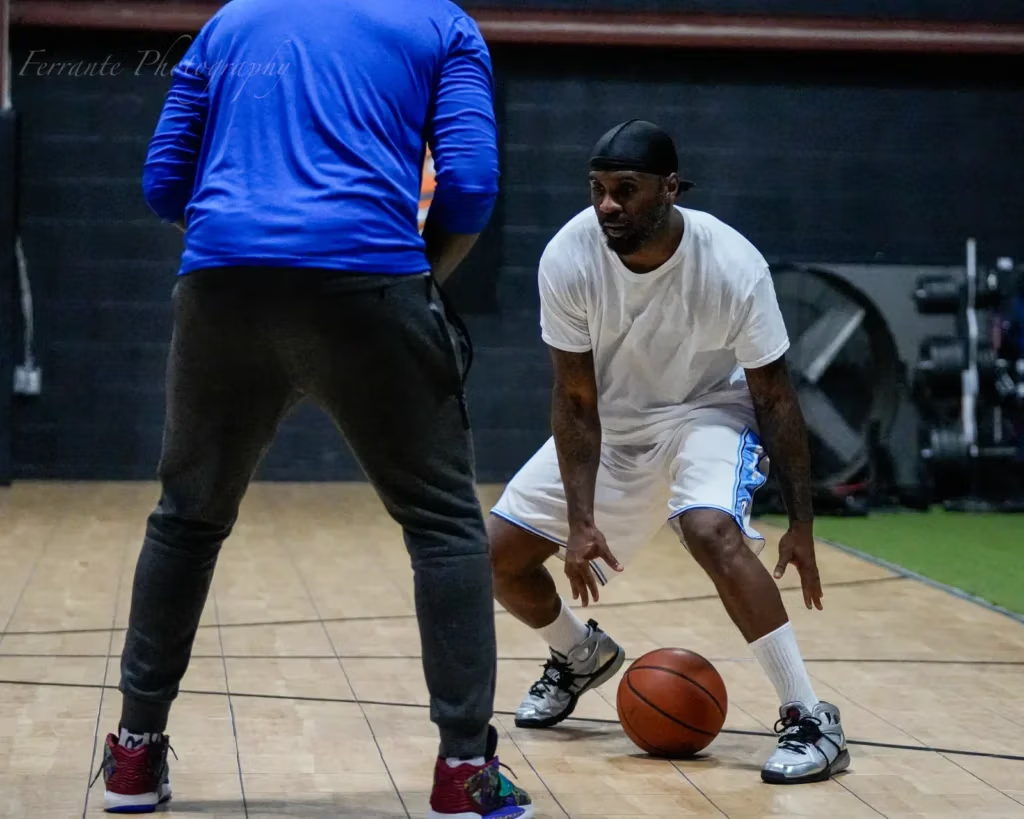
Frequently Asked Questions About Basketball Passing
Players learning to pass often have questions about technique, accuracy, and avoiding turnovers. These answers cover some of the fundamentals worth practicing at every skill level.
What Is the Most Important Passing Skill in Basketball?
Accuracy is essential, but timing and decision-making are just as important. A good pass reaches the right teammate at the right moment, letting them maintain an advantage instead of stopping to recover the ball.
Which Basketball Pass Should Beginners Learn First?
The chest pass is a good starting point because it teaches hand placement, footwork, coordination, and follow-through. Once players can execute it consistently, they can progress to bounce passes, overhead passes, and passing while moving.
How Can I Improve My Passing Accuracy?
Practice delivering the ball to a specific target, not just toward your teammate. Use controlled footwork, follow through toward the receiver, and gradually increase the distance. As you improve, practice passing to moving teammates.
How Do You Avoid Turnovers When Passing?
Scan the court before receiving the ball, watch defenders' positions, and avoid forcing passes through crowded lanes. Pass fakes, pivots, and better timing can help create safer opportunities. Most importantly, recognize when keeping possession is the better decision.
Develop Stronger Basketball Skills With You Reach I Teach Basketball Academy
Good passing makes the game easier for everyone on the court. Players who can deliver the ball accurately, recognize open teammates, and respond to defensive pressure contribute more than just points.
You Reach I Teach Basketball Academy provides basketball training in Gaithersburg, MD, for athletes ages 5 and up. Your player's first group session is free, and groups top out at 10 players. Call 202-415-4881 to learn about our basketball training programs and find the right option for your player.