Why Do Basketball Skills Disappear in Games?

Why Kensington Ballers Choose You Reach I Teach Basketball Academy

A player can look completely comfortable during training and then seem like a different athlete once the game starts. The shot that looked smooth all week becomes rushed. A crossover that worked repeatedly in practice disappears. Or the player catches the ball, sees a defender closing, and hesitates instead of attacking.

That does not necessarily mean the training failed or the player forgot the skill. Games add defenders, decisions, limited space, changing angles, fatigue, contact, and time pressure to the equation. Learning the movement is only part of player development. Athletes also have to learn when to use that movement and how to adjust it when the situation changes.

At You Reach I Teach Basketball Academy, our basketball training is built around the gap between drills and game-day application.

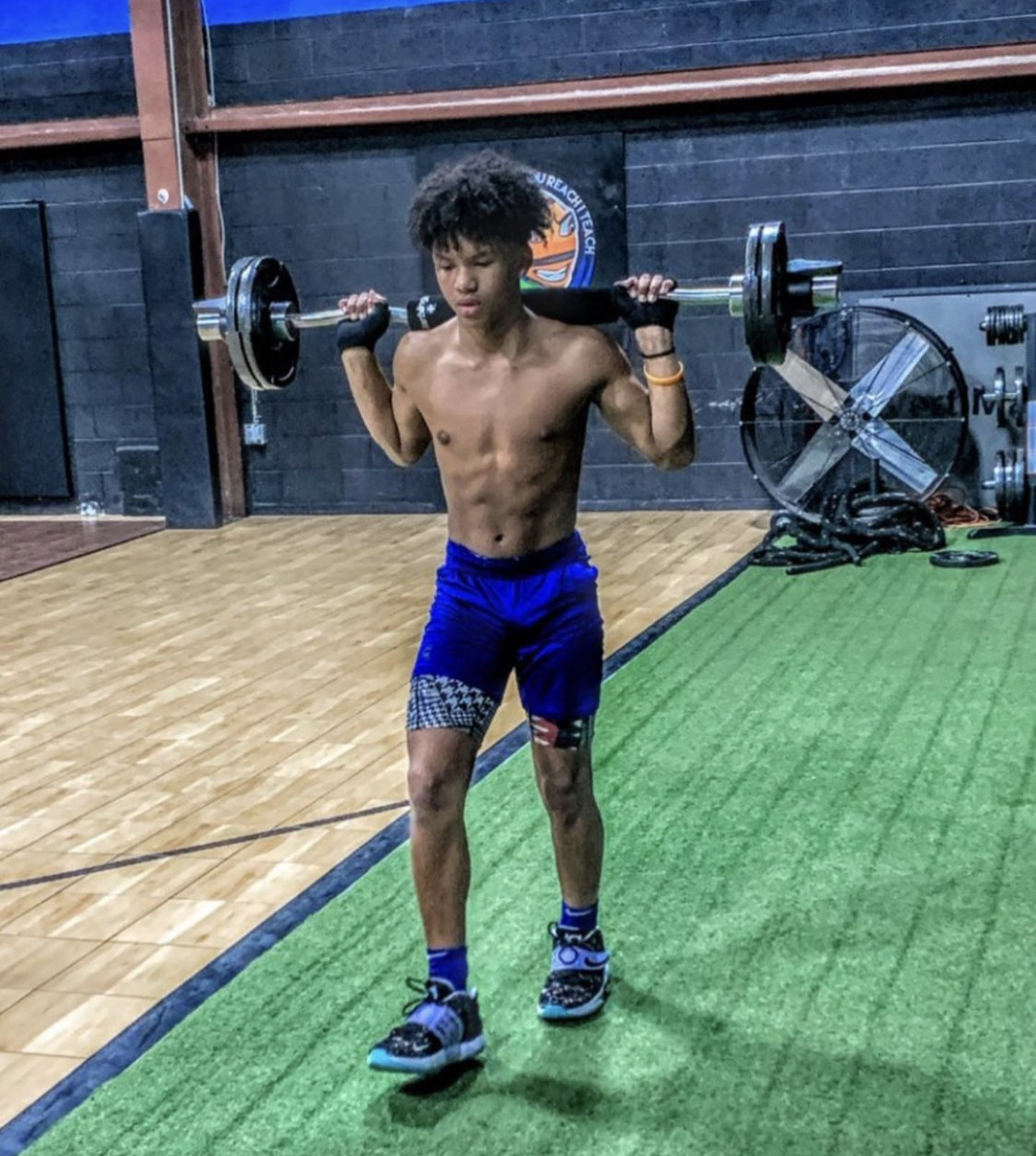
Private Training

Why Can a Player Do It in Practice but Not in a Game?

Many drills simplify basketball so the player can concentrate on one skill. That is useful when learning something new. If a player is working on a crossover, shooting footwork, or finishing with the opposite hand, removing some of the game’s distractions gives the athlete time to understand the movement and repeat it correctly.

The challenge begins when the player has to perform that skill without knowing what will happen next. During a game, a ball handler is not simply deciding whether they can execute a crossover. They are reading the defender’s stance, determining where help defense is positioned, seeing where teammates are spaced, protecting the ball, and deciding whether driving is even the best option.

Repetition Matters, but the Drill Has to Progress

Repetition is still essential. A player cannot reliably use a skill under pressure if they cannot perform the basic movement first.

This is where focused private basketball training is valuable. A coach can slow down a specific problem, correct mechanics, and give the athlete enough quality repetitions to build control before making the situation more difficult. The mistake is allowing the training to stop there.

Imagine a player practicing the same sequence every time: start on the right side, make one crossover, take two dribbles, and finish with the left hand. After enough repetitions, the player may become very good at completing that exact drill.

A game does not provide those instructions. The defender might take away the crossover. Help may arrive early, or the lane may close. A teammate may become open. The player may need a retreat dribble, a pass, a change of pace, or a completely different finish.

Once the movement is understood, practice should prioritize on-court problem-solving rather than repeating choreography.
How Training Moves a Skill Closer to Game Conditions

Good skill development can progress in stages.

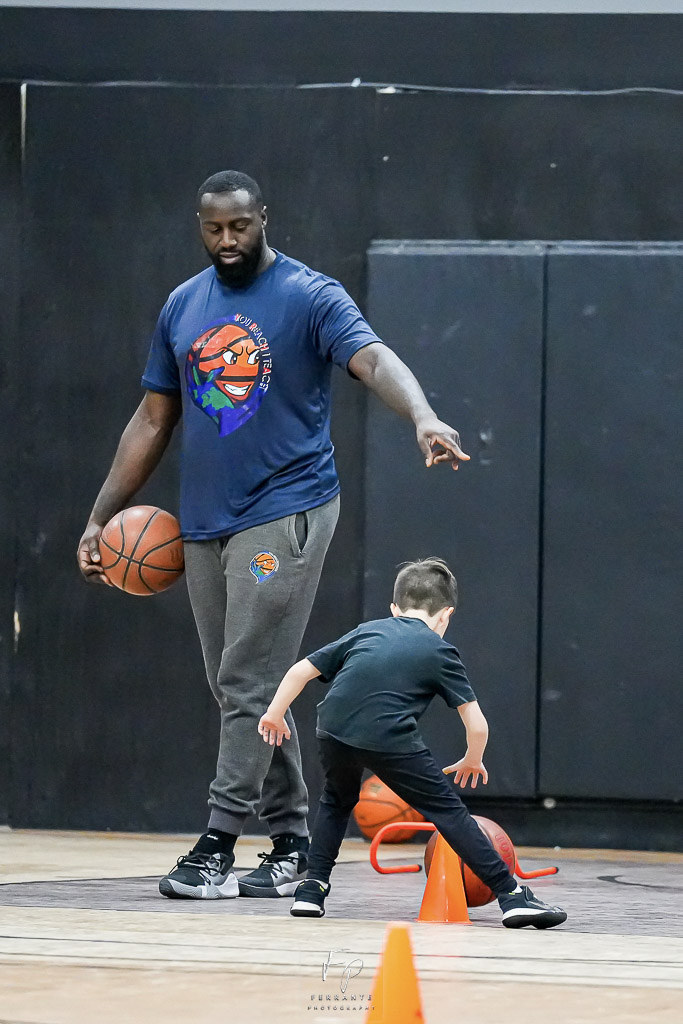
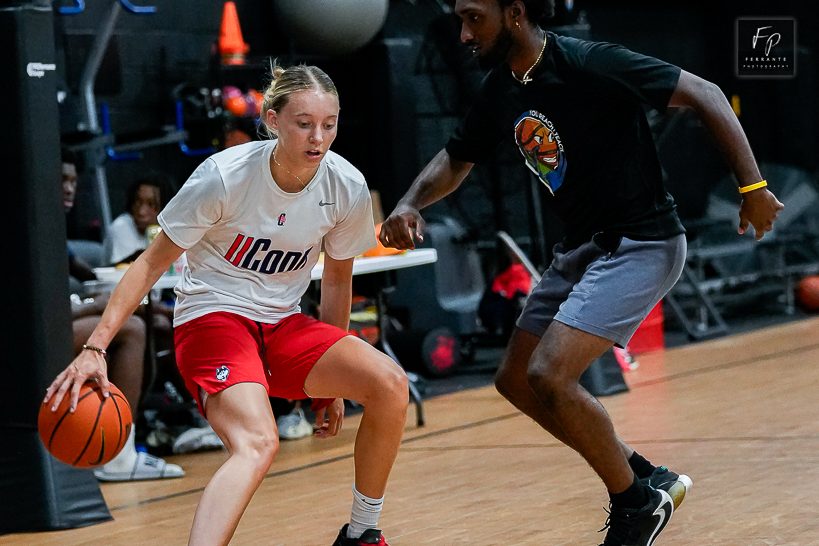
A player may first learn the mechanics in a controlled environment. Once the movement becomes more comfortable, we can change the starting position, angle, direction, pace, or finish. That prevents the player from becoming dependent on one exact repetition.

The next step is adding information the player has to read. A defender changes everything because the athlete no longer knows the correct answer before the repetition starts. The player has to recognize what the defense gives them and respond.

Pressure can then increase gradually. Less space, a recovering defender, a limited number of dribbles, or a shorter amount of time can make the decision more demanding without immediately turning the exercise into uncontrolled play. Eventually, the skill has to be used in live basketball.

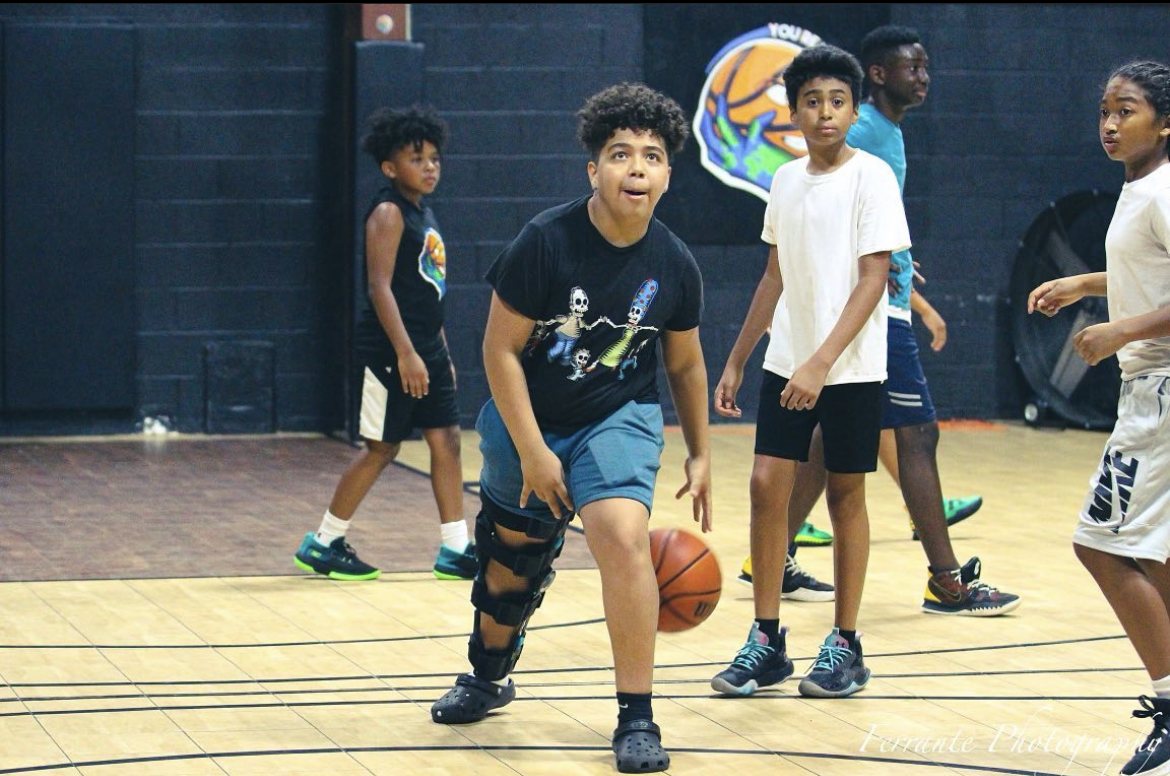
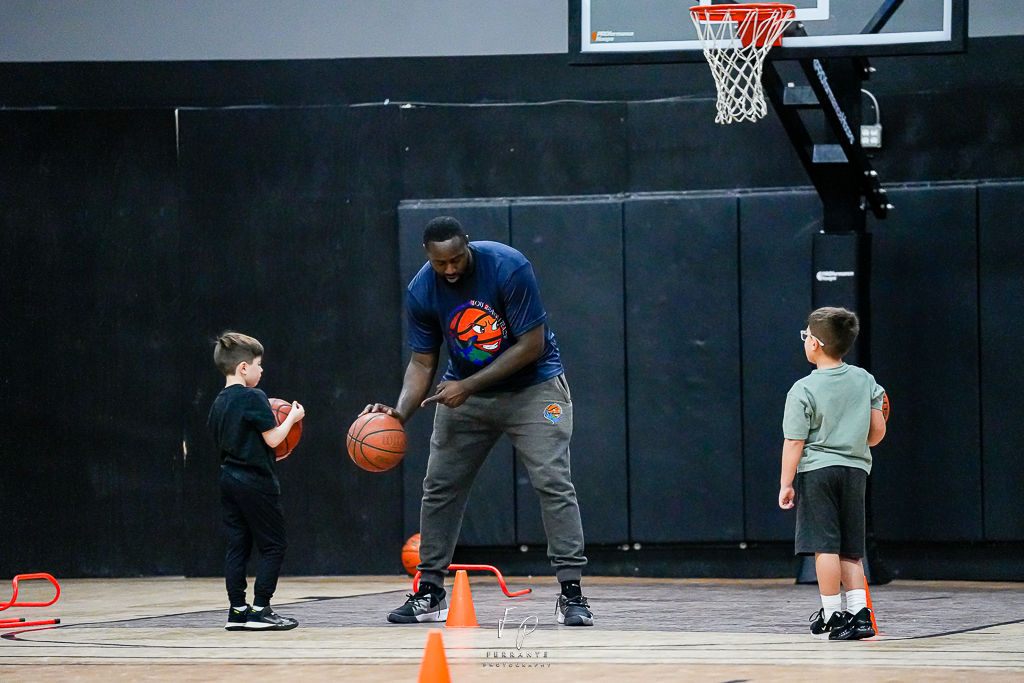
That is one reason group basketball training should happen alongside individual skill work. Teammates and defenders introduce movement, spacing, communication, competition, and decisions that cannot be recreated by a cone.

What Does Skill Transfer Actually Look Like?

Parents often look for transfer by asking one question: Did my child score more points? That can miss a lot of development.

Consider shooting. A player may build mechanics and repetition through regular shooting practice or focused sessions on a shooting machine. Those repetitions can help improve footwork, balance, release, consistency, and confidence. You Reach I Teach Basketball Academy also uses Dr. Dish machines that allow athletes to work from different locations while tracking makes, attempts, and shooting percentages.

Game transfer happens when the player can use that foundation while reading what is happening around them. Can they get their feet organized after moving? Can they recognize an open shot before the defender closes? If the closeout takes away the shot, can they attack instead of forcing it?

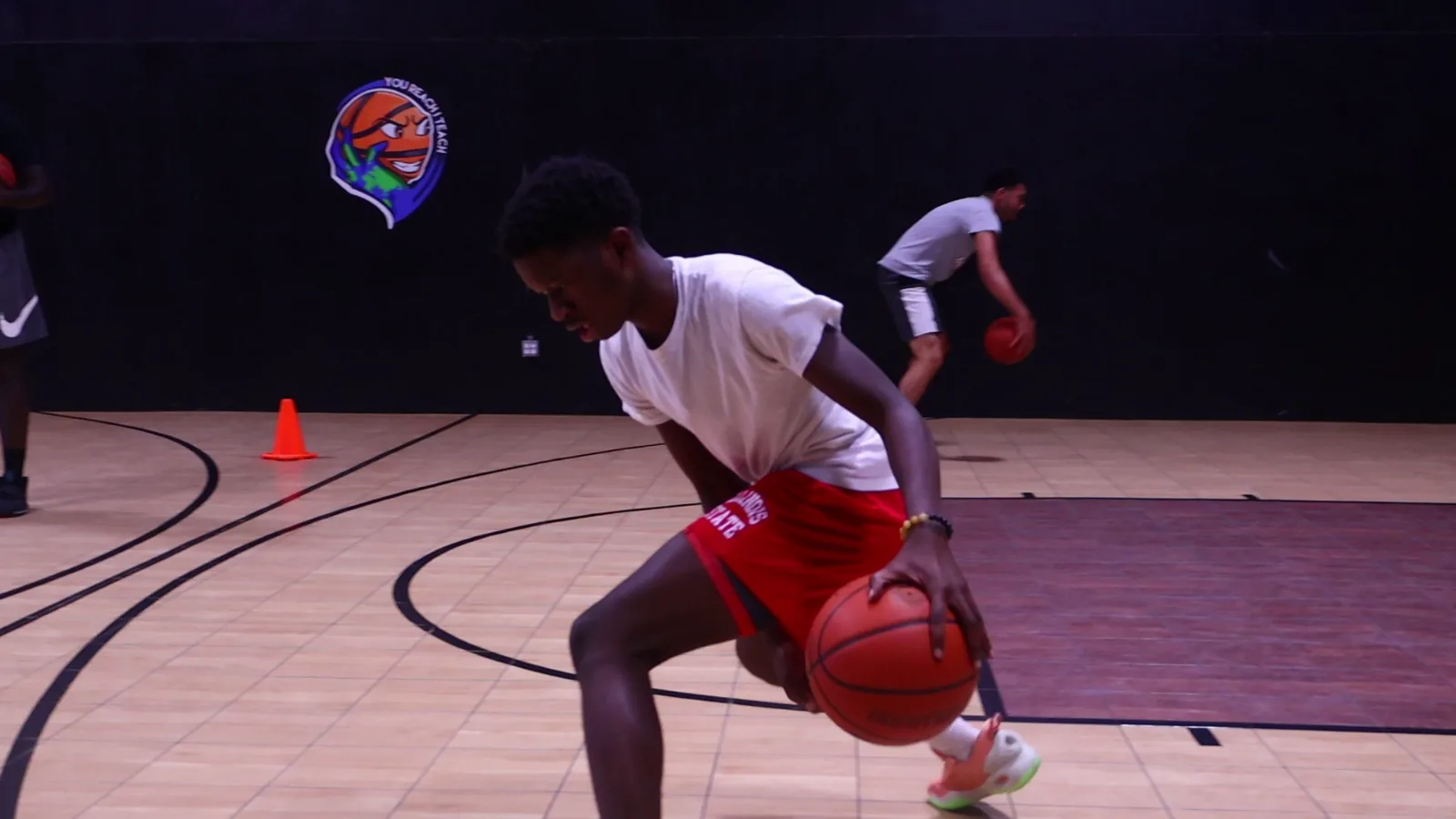
Ball handling works the same way. Stationary dribbling and repeated moves can improve control. Transfer appears when the athlete can protect the ball under pressure, change speed, recognize the defender’s position, keep their eyes on the floor, and understand when to pass rather than continue dribbling.

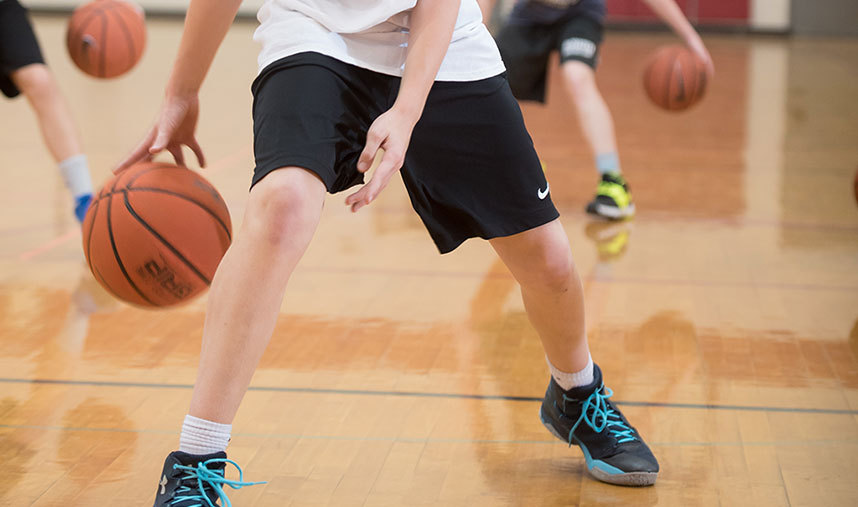
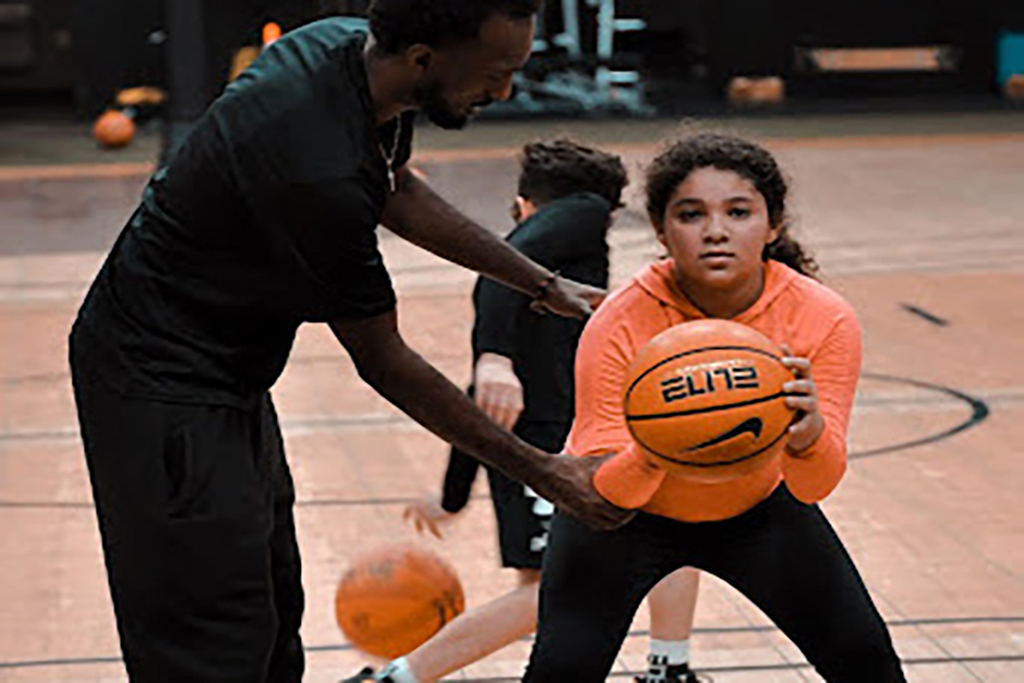
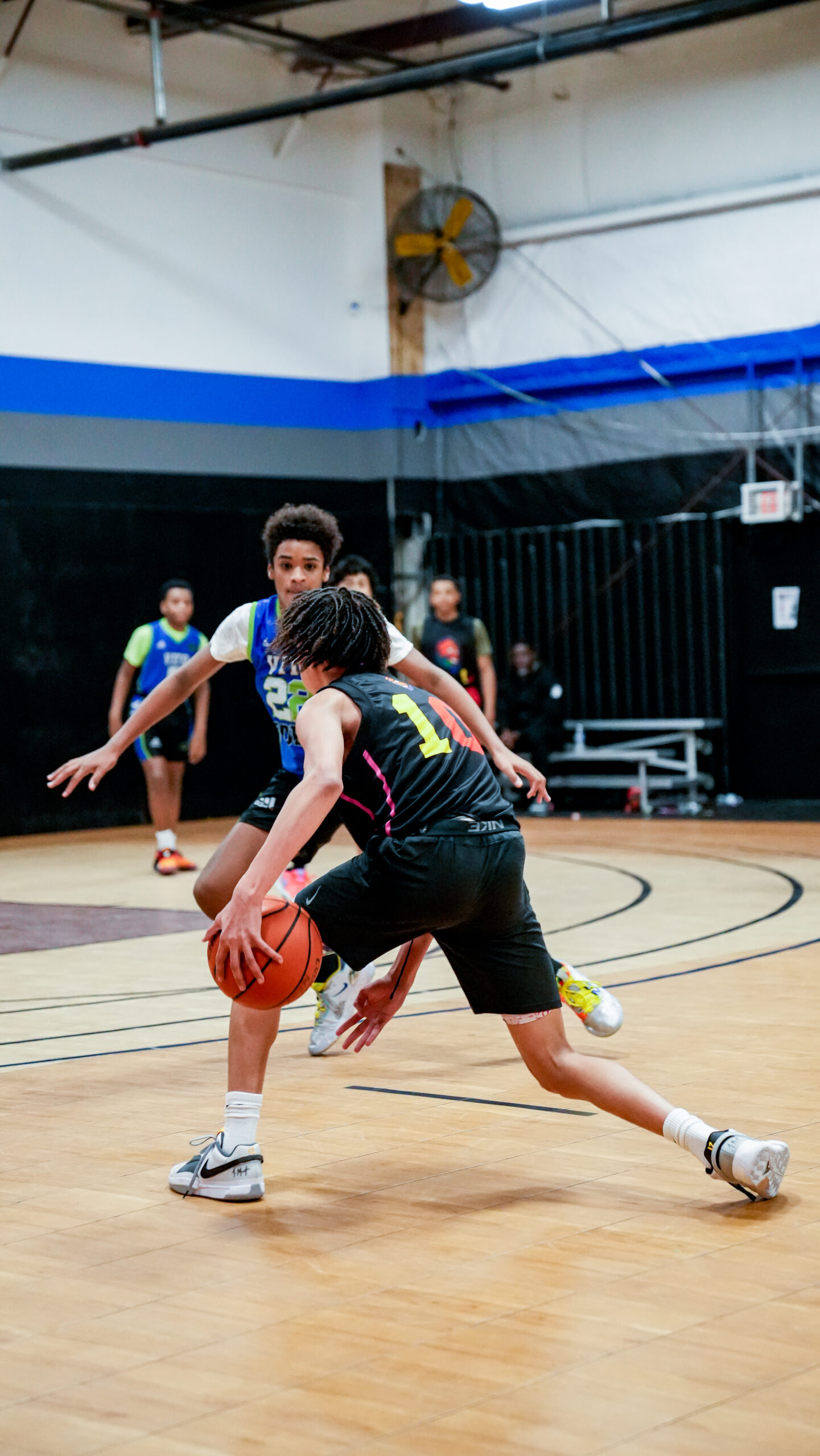
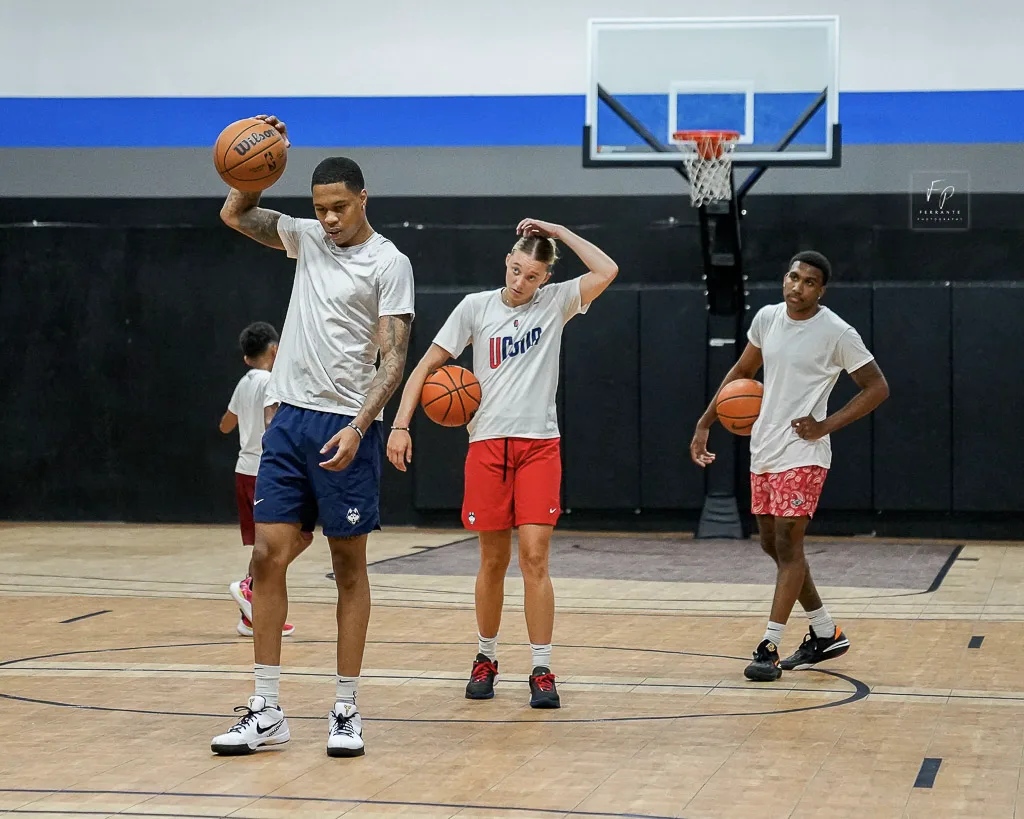
Basketball players practicing ball-handling drills on an indoor court.

How Can Parents Tell Whether Training Is Carrying Over?

Development often shows up in the quality of a player’s decisions before it appears in the box score. A guard who previously picked up the ball whenever a defender pressured them may begin to stay composed and create enough space to make the next pass. A shooter who used to hesitate may begin recognizing open opportunities sooner. A player who once forced a favorite move may start abandoning it when the defense takes it away.

Parents can also watch how quickly the player responds when the first option disappears. Improving players begin finding second solutions instead of freezing or forcing the original plan.

Another sign is recovery after mistakes. Basketball is too unpredictable for every decision to work. A developing player learns to move on, defend the next possession, and remain involved, rather than allowing a single turnover or missed shot to affect the next several minutes. Those changes may be more meaningful than a temporary jump in scoring.

Train the Skill, Then Train the Situation

Basketball development does not end when a player can perform a move correctly during a workout. The next challenge is learning to recognize the opportunity, make the decision, and execute while defenders are actively trying to take that option away.

You Reach I Teach Basketball Academy combines private instruction, group sessions, shooting drills, and live competition into a single training program. The goal is not simply to make players better at drills. It is to give them the tools, repetitions, decisions, and experience needed to use those skills when the game becomes unpredictable.

If your player is working hard in practice but struggling to see those skills show up in games, contact You Reach I Teach Basketball Academy to find a training environment that fits the next stage of their development.

Scroll to Top

Name
You Reach I Teach logo.